Sticky Coconut Cake- Irresistible Tropical Dessert
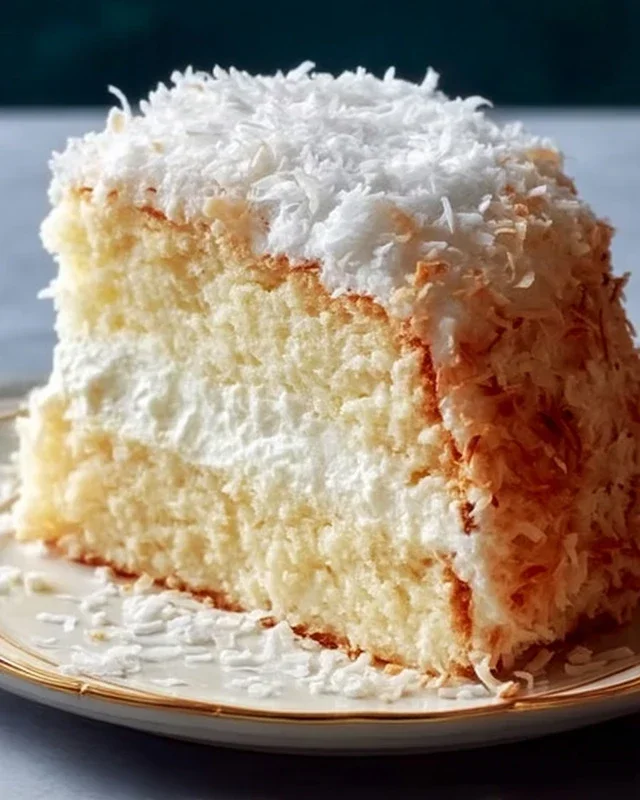
Sticky Coconut Cake is more than just a dessert; it’s a warm, tropical hug in cake form. If you’ve ever dreamt of sun-drenched beaches and the gentle sway of palm trees, this cake will transport you there with every blissful bite. It’s the kind of treat that conjures up happy memories and creates new ones, perfect for cozy afternoons or celebratory gatherings. What makes this Sticky Coconut Cake so utterly irresistible? It’s that incredible balance of moist, tender cake infused with the rich, nutty aroma of coconut, crowned with a luscious, caramelized glaze that clings to every crum extractb. This isn’t your average cake; it’s an experience, a delightful indulgence that’s surprisingly simple to bring to life in your own kitchen. Get ready to fall in love with this exquisite Sticky Coconut Cake!
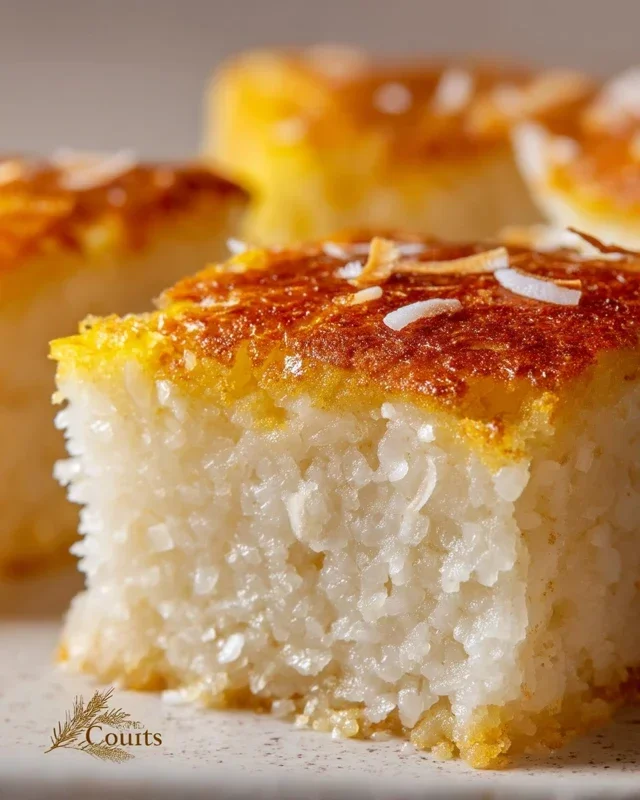
Sticky Coconut Cake
There’s something truly magical about a cake that’s both decadently moist and wonderfully chewy. My Sticky Coconut Cake recipe delivers exactly that, a delightful textural experience that will have you reaching for a second slice before you’ve even finished the first. This isn’t your typical fluffy cake; instead, it embraces a delightful denseness, infused with the tropical perfume of coconut. The secret lies in the combination of glutinous rice flour and rich coconut milk, which creates an incredibly satisfying, almost toffee-like texture that is utterly addictive. It’s a relatively simple bake, perfect for when you crave a comforting treat that feels a little bit special. Whether you’re a seasoned baker or just starting out, this recipe is approachable and yields impressive results. Get ready to transport your taste buds to a tropical paradise with this Sticky Coconut Cake.
Ingredients:
Preparing the Batter
The foundation of this incredible cake is its rich, luscious batter. We’ll start by bringin extractg together the wet ingredients, which will form the backbone of that signature sticky texture. In a large mixing bowl, whisk together the 2 egg yolks with the 1¼ cup of granulated sugar until the mixture is pnon-alcoholic ale yellow and slightly thickened. This process, called creaming, helps to incorporate air and dissolve the sugar, contributing to a smoother batter. Next, gradually whisk in the 2¼ cup of full-fat canned coconut milk. Ensure it’s well combined before moving on. Full-fat coconut milk is crucial here; its higher fat content contributes significantly to the moisture and richness of the cake. Now, gently fold in the 3 cups of shredded sweetened coconut. Don’t overmix at this stage; we want to keep those lovely coconut shreds intact. Finally, stir in the 1 teaspoon of vanilla extract. Vanilla complements the coconut beautifully, adding a layer of warmth and complexity to the overall flavor profile.
Incorporating the Dry Ingredients and Achieving the Perfect Consistency
Now it’s time to introduce the glutinous rice flour. This is the key ingredient responsible for the cake’s characteristic chewy and sticky texture. In a separate bowl, measure out your 1½ cup of glutinous rice flour. It’s a good idea to sift the flour to remove any lumps, ensuring a smooth batter. Gradually add the sifted glutinous rice flour to the wet ingredients, folding it in gently until just combined. Be careful not to overwork the batter. Overmixing can develop the starches in the flour too much, potentially resulting in a tougher cake, which isn’t what we’re aiming for with a sticky cake. The batter will be quite thick, almost like a paste, which is exactly what we want. This density is what allows the cake to bake into that wonderfully chewy consistency.
Whipping the Egg Whites
The egg whites play a vital role in giving our Sticky Coconut Cake a little lift and a lighter, yet still dense, texture. In a clean, dry bowl, whip the 2 egg whites until they form stiff peaks. This means that when you lift the whisk, the egg whites stand up on their own without drooping. This is achieved by introducing air into the egg whites, creating a light and airy foam. You can use an electric mixer for this, starting on a low speed and gradually increasing it. Make sure your bowl and whisk are completely free of any grease, as even a tiny amount of fat can prevent the egg whites from whipping properly. Once you’ve achieved stiff peaks, it’s time to incorporate them into the batter.
Combining and Baking
Gently fold the whipped egg whites into the prepared batter in two or three additions. Use a spatula and a light, lifting motion, rather than vigorous stirring. The goal is to incorporate the air from the egg whites without deflating them, which will contribute to a slightly lighter texture without sacrificing the inherent stickiness. Once the egg whites are fully incorporated and you have a homogenous, thick batter, pour it into a greased and floured 8×8 inch baking pan or a similarly sized round cake pan. Smooth the top evenly.
Preheat your oven to 325 degrees Fahrenheit (160 degrees Celsius). This lower temperature is essential for ensuring the cake bakes through evenly without burning the exterior, allowing the interior to achieve that perfect chewy texture. Bake for approximately 50-60 minutes, or until a wooden skewer inserted into the center comes out mostly clean, with perhaps a few moist crum extractbs attached. The top should be golden brown and slightly set. Resist the urge to open the oven door too frequently during the baking process, as this can cause the cake to sink.
Cooling and Enjoying Your Masterpiece
Once baked, remove the Sticky Coconut Cake from the oven and let it cool in the pan for about 15-20 minutes. This resting period allows the cake to firm up slightly, making it easier to handle. After this initial cooling, carefully invert the cake onto a wire rack to cool completely. Patience is key here; allowing the cake to cool completely will allow the flavors to meld and the texture to fully develop. Once cooled, you can slice it into squares or wedges. This cake is delicious served on its own, but it also pairs wonderfully with a dollop of whipped cream or a scoop of vanilla ice cream. The rich, sweet, and wonderfully chewy nature of this Sticky Coconut Cake makes it a truly memorable dessert. Enjoy every delightful, sticky bite!
Conclusion:
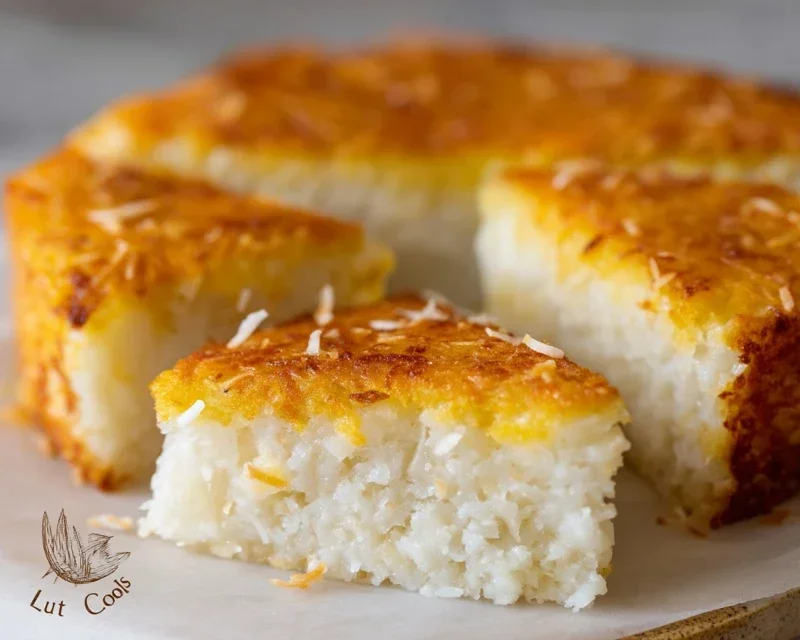
I hope you’ve enjoyed diving into the world of this absolutely divine Sticky Coconut Cake! This recipe truly delivers on its promise of a moist, tender crum extractb infused with the tropical essence of coconut, all beautifully complemented by a luscious, gooey sticky topping. It’s the perfect dessert for any occasion, from a cozy afternoon tea to a celebratory gathering. I find its rich, sweet flavour and wonderfully soft texture irresistible, and I’m sure you will too.
For serving suggestions, this cake is fantastic on its own, allowing its natural sweetness and coconut notes to shine. However, it also pairs wonderfully with a dollop of whipped cream, a scoop of vanilla bean ice cream, or even a side of fresh tropical fruit like mango or pineapple. If you’re feeling adventurous, consider a drizzle of caramel sauce for an extra layer of indulgence. Don’t be afraid to experiment with variations! You could add a touch of lime zest to the batter for a brighter flavour profile, or perhaps some toasted shredded coconut on top for added texture. I encourage you all to give this Sticky Coconut Cake a try; I promise it will become a firm favourite in your baking repertoire.
Frequently Asked Questions:
Can I make this cake ahead of time?
Absolutely! This Sticky Coconut Cake is actually even better when made a day in advance. This allows the flavours to meld beautifully and the sticky topping to fully set and develop its wonderful texture. Simply store it in an airtight container at room temperature.
What kind of coconut should I use?
For the best flavour and texture in this recipe, I recommend using sweetened shredded coconut for the cake batter. For the sticky topping, unsweetened shredded coconut is often preferred to balance the sweetness of the syrup. However, feel free to experiment with your preference!
My sticky topping isn’t very gooey. What went wrong?
This can sometimes happen if the sugar and butter mixture for the topping wasn’t heated long enough, or if the cake wasn’t baked sufficiently. Ensure the topping is bubbly and starting to caramelize before pouring it over the cake. Also, make sure you’re using the correct proportions of ingredients as specified in the recipe. Don’t worry, with a little practice, you’ll achieve that perfect gooey consistency!
Sticky Coconut Cake
A delightful and moist cake made with coconut milk, shredded coconut, and glutinous rice flour, resulting in a wonderfully chewy and sweet treat.
Ingredients
-
2 eggs, separated
-
1¼ cup granulated sugar
-
2¼ cup full fat canned coconut milk
-
3 cups shredded sweetened coconut
-
1½ cup glutinous rice flour
-
1 teaspoon vanilla extract
Instructions
-
Step 1
Preheat your oven to 350°F (175°C) and grease and flour a baking pan. -
Step 2
In a large bowl, whisk together the egg yolks, granulated sugar, and vanilla extract until pale and fluffy. -
Step 3
Gradually whisk in the coconut milk until well combined. -
Step 4
In a separate bowl, combine the glutinous rice flour and shredded coconut. Gradually add this dry mixture to the wet ingredients, mixing until just combined. Do not overmix. -
Step 5
In a clean bowl, whip the egg whites until stiff peaks form. Gently fold the whipped egg whites into the cake batter. -
Step 6
Pour the batter into the prepared baking pan and spread evenly. -
Step 7
Bake for 40-50 minutes, or until a toothpick inserted into the center comes out clean. -
Step 8
Let the cake cool in the pan for 10 minutes before inverting it onto a wire rack to cool completely.
Important Information
Nutrition Facts (Per Serving)
It is important to consider this information as approximate and not to use it as definitive health advice.
Allergy Information
Please check ingredients for potential allergens and consult a health professional if in doubt.