Easy Lemon Vinaigrette – Fresh Flavor Boost
Basic Lemon Vinaigrette Dressing is the unsung hero of any kitchen, a simple yet incredibly versatile foundation for countless culinary creations. Forget those bottled dressings filled with who-knows-what; this easy-to-make staple is a game-changer. People adore it for its bright, zesty flavor that instantly elevates everything from a humble side salad to a more elaborate grain bowl. What truly makes this basic lemon vinaigrette dressing special is its pure, unadulterated taste. It’s a perfect balance of tangy citrus and rich olive oil, allowing the fresh ingredients of your dish to truly shine. Mastering this fundamental dressing means you’re unlocking a world of flavor possibilities, all with just a few pantry staples. It’s my go-to for a reason, and I’m so excited to share its simplicity with you!
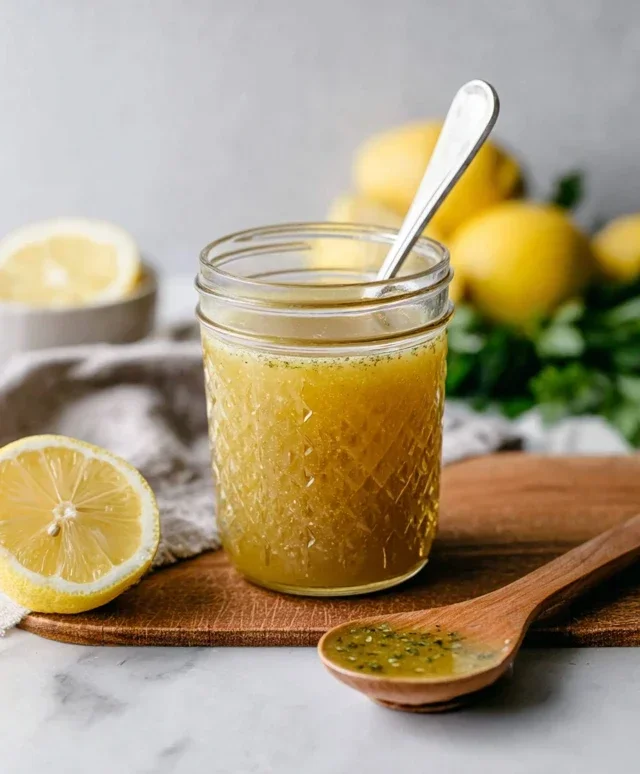
Basic Lemon Vinaigrette Dressing
A good salad dressing can elevate a simple bowl of greens into a truly satisfying meal. While store-bought options offer convenience, they often come loaded with preservatives and artificial ingredients. Learning to make your own vinaigrette is incredibly empowering and surprisingly easy. The beauty of a basic lemon vinaigrette is its versatility; it’s bright, zesty, and perfectly balanced, making it a wonderful companion to a wide range of salads, from delicate spring greens to hearty grain bowls. Plus, you can customize it to your heart’s content. Today, we’re going to walk through how to create a foundational lemon vinaigrette that you’ll find yourself reaching for again and again. It’s a simple alchemy of pantry staples that transforms into something far greater than the sum of its parts. Forget those watery, bland dressings – this homemade version is packed with fresh flavor and vibrant character.
Ingredients:
Instructions:
Creating this delightful dressing is a straightforward process that requires minimal effort and no special equipment. The key is to combine the ingredients in a way that allows them to meld beautifully, creating a harmonious flavor profile. We’ll start by building the flavor base, then slowly emulsify in the oil to achieve that perfect creamy consistency.
Step 1: Building the Flavor Base
Begin extract by gathering all your ingredients. This is crucial for a smooth cooking process, as it ensures you have everything at hand when you need it. In a medium-sized bowl or a jar with a tight-fitting lid, combine the apple cider vinegar, fresh lemon juice, and water. The vinegar and lemon juice provide the essential acidity that defines a vinaigrette, while the water helps to slightly mellow the sharpness and contributes to the overall balance. Next, add the dijon mustard. Dijon mustard is more than just a flavor enhancer; it’s an emulsifier, meaning it helps to bind the oil and vinegar together, preventing the dressing from separating too quickly. This is a critical component for achieving a smooth, cohesive vinaigrette. Follow this with your sweetener – honey or maple syrup. I prefer honey for its floral notes, but maple syrup offers a warmer, more robust sweetness. If you’re watching your sugar intake, a few drops of stevia can work wonders here, just be sure to add it gradually to achieve your desired sweetness level. Finally, introduce the dried oregano. If you’re using fresh oregano, you’ll want to finely chop it before adding. Oregano offers a lovely herbaceous note that complements the citrus beautifully.
Step 2: Incorporating Aromatics and Seasoning
Now it’s time to add the aromatics and seasonings that will truly bring this vinaigrette to life. Add the minced garlic clove to the bowl. For a milder garlic flavor, you can roast the garlic clove beforehand, which softens its pungency. However, for this recipe, raw minced garlic provides a delightful punch. Next, season generously with sea salt and black pepper. The salt not only enhances all the other flavors but also helps to balance the acidity. Black pepper adds a subtle warmth and a hint of spice. Whisk these ingredients together thoroughly. You want to ensure the dijon mustard is fully incorporated and that the salt and pepper have started to dissolve into the liquid base. This initial whisking is important for creating a homogenous mixture before we move on to the emulsification stage.
Step 3: The Art of Emulsification
This is where the magic happens! We’re going to gradually incorporate the olive oil to create a stable emulsion. There are a couple of ways to do this. My preferred method, especially when I’m not in a rush, is to whisk vigorously while slowly drizzling in the olive oil. Start by adding the olive oil in a very thin, steady stream, whisking constantly and vigorously. As you add the oil, you’ll notice the mixture will start to thicken and become cloudy. Continue to add the oil slowly until it’s all incorporated. The constant whisking creates tiny droplets of oil suspended within the vinegar and water mixture, thanks to the dijon mustard. If you are short on time or want a guaranteed smooth result, you can also use an immersion blender. Simply combine all ingredients except the oil in a tall, narrow container, then add the oil and blend on low speed, gradually raising the blender to incorporate the oil. Alternatively, you can place all ingredients in a jar with a tight-fitting lid and shake it vigorously until emulsified. This method is fantastic for on-the-go preparation or for making a larger batch.
Step 4: Taste and Adjust
Once all the olive oil has been incorporated and the dressing has emulsified, it’s crucial to taste and adjust the seasoning. Dip a clean spoon into the dressing and take a small sip. Does it need more brightness? Add a touch more lemon juice. Is it too sharp? A little more honey or maple syrup can round out the flavors. Is the salt and pepper balanced? Adjust as needed. Remember, the flavors will slightly mute once tossed with salad greens, so it’s better to err on the side of slightly bolder. Don’t be afraid to experiment here – this is your vinaigrette, so make it taste exactly how you like it! This tasting step is vital for achieving a truly delicious dressing.
Step 5: Storage and Serving Suggestions
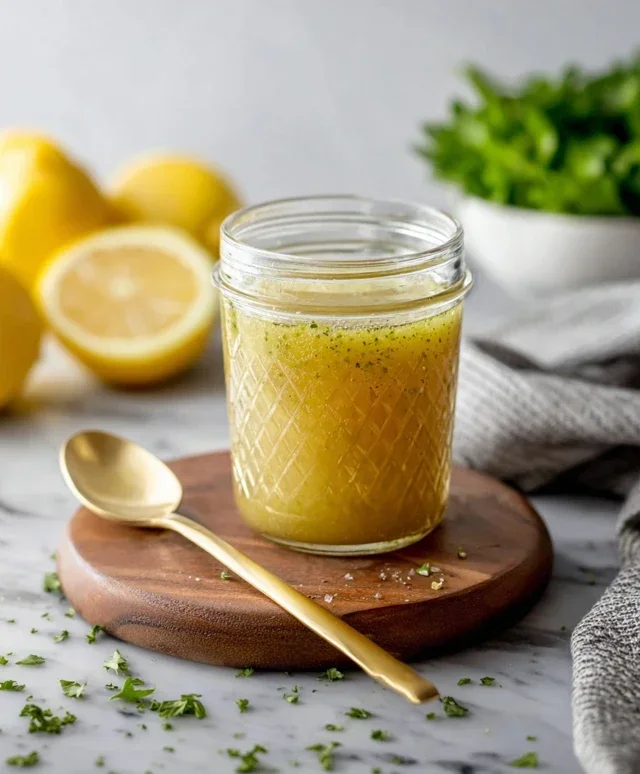
Your basic lemon vinaigrette is now ready to be enjoyed! Pour it into a clean jar or bottle for storage. It will keep in the refrigerator for about 1-2 weeks. The vinaigrette may separate slightly in the refrigerator; this is completely normal. Simply give it a good shake or whisk before serving. This dressing is incredibly versatile. It’s perfect for simple green salads, but it also works wonderfully on pasta salads, grilled vegetables, or even as a marinade for chicken or fish. You can also use this as a base and add other ingredients like fresh herbs (parsley, chives, basil), a pinch of red pepper flakes for a little heat, or even a touch of minced shallot for added depth. Enjoy the fresh, homemade taste!
Conclusion:
And there you have it! This basic lemon vinaigrette dressing is incredibly simple to whip up, and the results are truly fantastic. It’s bright, zesty, and offers a perfect balance of acidity and richness that elevates any dish. Its versatility is truly its superpower. Whether you’re tossing a simple green salad, marinating chicken or fish, or even drizzling it over roasted vegetables, this dressing is a guaranteed winner. I truly encourage you to give this easy recipe a try – it’s a staple in my kitchen for a reason!
Don’t be afraid to play around with it! You can add a pinch of Dijon mustard for extra emulsification and a tangy kick, or a touch of honey or maple syrup for a hint of sweetness. Fresh herbs like parsley, chives, or basil are also wonderful additions. Experimenting is part of the fun, and you’ll discover your own perfect variation.
Frequently Asked Questions about Basic Lemon Vinaigrette Dressing:
Q: How long can I store this basic lemon vinaigrette dressing?
A: You can store this dressing in an airtight container in the refrigerator for up to a week. The oil and lemon juice may separate over time, so just give it a good shake or whisk before each use.
Q: Can I use bottled lemon juice instead of fresh?
A: While fresh lemon juice is always recommended for the best flavor, you can use bottled lemon juice in a pinch. Keep in mind that bottled juice can sometimes have a slightly different flavor profile and may be less vibrant.
Q: What other types of oils can I use besides olive oil?
A: Absolutely! While extra virgin extract olive oil is my go-to for its flavor, you can also experiment with other oils like avocado oil or grapeseed oil for a more neutral taste. The key is to find an oil you enjoy the flavor of.
Basic Lemon Vinaigrette Dressing
A simple and versatile lemon vinaigrette perfect for salads.
Ingredients
-
¼ cup apple cider vinegar
-
2 Tablespoons fresh lemon juice
-
2 Tablespoons water
-
1 Tablespoon dijon mustard
-
2 teaspoons honey
-
1 teaspoon dried oregano
-
1 clove garlic, minced
-
½ teaspoon sea salt
-
¼ teaspoon black pepper
-
½ cup + 2 Tablespoons olive oil
Instructions
-
Step 1
In a small bowl or jar, whisk together the apple cider vinegar, fresh lemon juice, water, dijon mustard, honey, dried oregano, minced garlic, sea salt, and black pepper until well combined. -
Step 2
Slowly drizzle in the olive oil while continuously whisking. Continue whisking until the dressing is emulsified and well combined. -
Step 3
Alternatively, combine all ingredients except the olive oil in a jar with a tight-fitting lid. Add the olive oil and close the lid securely. -
Step 4
Shake the jar vigorously until the dressing is emulsified. This method is also great for storing the dressing. -
Step 5
Taste and adjust seasoning as needed. You may add more honey for sweetness, or more salt and pepper to taste. -
Step 6
Serve immediately over your favorite salad or use as a marinade.
Important Information
Nutrition Facts (Per Serving)
It is important to consider this information as approximate and not to use it as definitive health advice.
Allergy Information
Please check ingredients for potential allergens and consult a health professional if in doubt.