Authentic Chimichurri Sauce Recipe – Fresh & Flavorful
Chimichurri sauce is more than just a condiment; it’s an explosion of fresh, vibrant flavor that elevates everything it touches. Have you ever wondered what gives grilled meats that irresistible zing, that herbaceous punch that makes your taste buds sing? Chances are, you’ve encountered this Argentinian masterpiece. It’s the secret weapon behind perfectly seared steaks, grilled chicken, and even roasted vegetables. People adore chimichurri sauce because it’s incredibly versatile and packed with bright, herbaceous notes from parsley and cilantro, a subtle kick from garlic and chili, and a tangy finish from vinegar and olive oil. What truly makes this chimichurri sauce special is its simplicity; a few fresh ingredients, a quick chop, and you have a gourmet sauce ready to transform your meal. It’s the perfect accompaniment for a backyard BBQ or a weeknight dinner, bringin extractg a taste of South America right to your table.
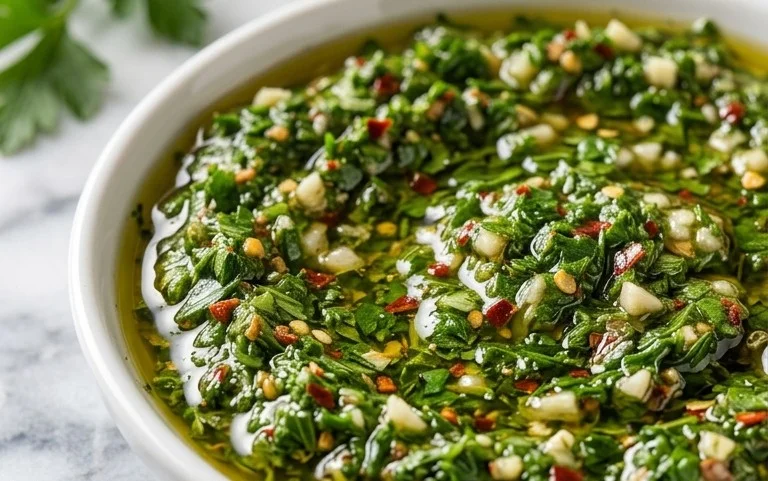
Chimichurri Sauce
There are few sauces that can transform a simple grilled steak or roasted chicken into something truly extraordinary. Chimichurri is one of those magical elixirs. Origin extractating from Argentina and Uruguay, this vibrant green sauce is a celebration of fresh herbs, garlic, and a touch of acidity. It’s incredibly versatile, fantastic as a marinade, a finishing sauce, or even a dip. The beauty of chimichurri lies in its simplicity and the freshness of its ingredients. Once you taste this zesty, herbaceous condiment, you’ll wonder how you ever lived without it. Forget store-bought versions; making your own is surprisingly easy and the flavor is leagues beyond anything pre-packaged.
This recipe will guide you through creating a truly authentic and delicious chimichurri sauce that will become a staple in your kitchen. We’ll focus on fresh ingredients and simple techniques to achieve that perfect balance of herbaceousness, pungency, and tang. Whether you’re an experienced cook or just starting out, you’ll find this recipe to be a rewarding and delicious endeavor.
Ingredients:
Instructions:
1. Prepare the Herbs and Aromatics: The first step is to get all your fresh ingredients ready. For the parsley and cilantro, make sure they are thoroughly washed and dried. You can use a salad spinner for this, or gently pat them dry with paper towels. Removing excess moisture is important to prevent the sauce from becoming watery. Strip the leaves from the tougher stems of the parsley and cilantro. For the oregano, if you are using fresh, strip the leaves from the stems as well. If you’re using dried oregano, you can simply measure it out. Finely mince the red onion or shallot. The smaller the pieces, the better they will integrate into the sauce. Don’t be afraid of using a shallot if you prefer a milder onion flavor. Peel and finely mince the garlic cloves. You want these aromatics to be as finely chopped as possible, almost to a paste-like consistency, so they distribute evenly throughout the sauce.
2. Combine Dry Ingredients and Aromatics: In a medium-sized bowl, combine your finely minced parsley, cilantro, oregano (fresh or dried), red onion or shallot, and garlic. Add the salt and red pepper flakes if you are using them. Stir these ingredients together. This initial combination allows the flavors of the fresh herbs and aromatics to start mingling. The salt will also begin extract to draw out some moisture and help soften the onion and garlic, creating a more cohesive base for the wet ingredients. Ensure everything is well distributed.
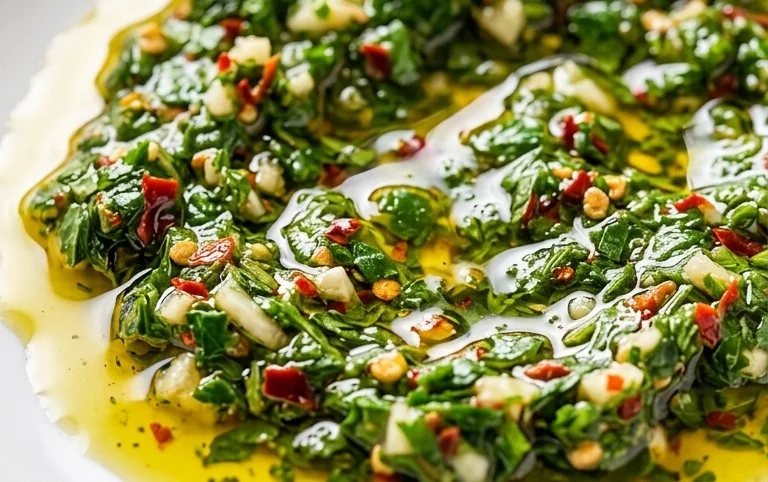
3. Add the Liquids and Emulsify: Now it’s time to introduce the liquids that will bring the chimichurri to life. Pour in the red grape juice vinegar and fresh lemon juice. Red grape juice vinegar offers a slightly milder and fruitier tang compared to red grape juice vinegar, which is also a common choice. The lemon juice adds another layer of bright acidity. Stir these ingredients into the herb and aromatic mixture. Then, slowly drizzle in the olive oil while stirring continuously. This is where the emulsification process begin extracts. You want to incorporate the oil gradually to create a smooth, well-combined sauce rather than an oily dressing with herbs floating on top. You should notice the mixture starting to thicken slightly and take on a beautiful, vibrant green hue. A whisk can be helpful here for achieving a good emulsion.
4. Taste and Adjust Seasoning: This is a crucial step for achieving chimichurri perfection. Once you’ve added all the ingredients and given everything a good stir, it’s time to taste. Use a clean spoon to sample the sauce. Is it zesty enough for your liking? Does it need more salt? Perhaps a little more tang from the vinegar or lemon juice? This is your chance to customize the flavor profile. If you want a spicier kick, add a pinch more red pepper flakes. If you find it too acidic, you can add a tiny bit more olive oil, or even a touch of honey (though this is not traditional, it can balance extreme acidity). Remember that chimichurri is meant to be vibrant and punchy, so don’t be shy with the seasoning.
5. Let Flavors Meld and Serve: While chimichurri can be enjoyed immediately, its flavors deepen and meld beautifully if you allow it to sit for at least 30 minutes to an hour at room temperature, or even longer in the refrigerator. This resting period allows the herbs and aromatics to fully infuse into the oil and vinegar mixture. If you’re making it ahead of time, store it in an airtight container in the refrigerator. Before serving, give it a good stir as the ingredients might settle. If it seems a little too thick after refrigeration, you can always whisk in a tiny bit more olive oil or a splash of water to loosen it up. Chimichurri is incredibly versatile. It’s an absolute revelation spooned over grilled steaks, chicken, fish, or beef. It also works wonderfully with roasted vegetables, as a dip for crusty bread, or even mixed into a salad dressing. Enjoy the vibrant, herbaceous goodness!
Conclusion:
I hope you’re as excited as I am to whip up this vibrant and incredibly versatile chimichurri sauce! This recipe is a winner because it’s remarkably simple to make, bursting with fresh, herbaceous flavors, and elevates everything it touches. Whether you’re grilling steak, chicken, or vegetables, or even just looking for a zesty dressing for salads or a dip for bread, this chimichurri is your new secret weapon. Its bright, tangy profile cuts through richness beautifully, adding a sophisticated yet easy touch to any meal. Don’t hesitate to experiment and make it your own – that’s part of the fun!
Beyond its classic pairing with grilled meats, I love using it as a marinade for tofu, drizzled over roasted potatoes, or even stirred into scrambled eggs for a flavor boost. The possibilities truly are endless, and I encourage you to dive in and discover your favorite ways to enjoy this amazing sauce.
Frequently Asked Questions:
How long will chimichurri sauce last?
When stored properly in an airtight container in the refrigerator, your homemade chimichurri sauce should stay fresh for about 4 to 5 days. The fresh herbs will start to lose some of their vibrancy after that, but it’s still perfectly edible for a little longer.
Can I make chimichurri sauce ahead of time?
Absolutely! In fact, I find that chimichurri sauce tastes even better after a few hours in the fridge, allowing the flavors to meld together beautifully. You can easily make it a day or two in advance before you plan to serve it.
What if I don’t have fresh oregano?
While fresh oregano is ideal for that authentic chimichurri flavor, you can substitute with dried oregano in a pinch. Use about 1 teaspoon of dried oregano for every tablespoon of fresh. Just be aware that the flavor intensity might be slightly different, and it might not be as bright.
Chimichurri Sauce
A vibrant and herbaceous Argentinian sauce, perfect for grilled meats and vegetables.
Ingredients
-
1 1/2 cups well packed (42g) fresh parsley
-
1/2 cup well packed (20g) fresh cilantro
-
1/4 cup (9g) fresh oregano
-
1/4 small red onion
-
3 garlic cloves
-
3 Tbsp red grape juice vinegar
-
2 Tbsp fresh lemon juice
-
1/2 tsp salt
-
1/4 tsp red pepper flakes
-
3/4 cup olive oil
Instructions
-
Step 1
Finely chop the fresh parsley, cilantro, and oregano. If using dried oregano, ensure it’s measured accurately. -
Step 2
Finely mince the red onion (or shallot) and garlic cloves. -
Step 3
In a medium bowl, combine the chopped herbs, minced onion, minced garlic, red grape juice vinegar, fresh lemon juice, salt, and red pepper flakes (if using). -
Step 4
Whisk everything together until well combined. -
Step 5
Slowly drizzle in the olive oil while whisking continuously to emulsify the sauce. -
Step 6
Taste and adjust salt and red pepper flakes as needed. -
Step 7
Let the chimichurri sauce sit for at least 10 minutes before serving to allow the flavors to meld. For best results, let it sit for 30 minutes at room temperature.
Important Information
Nutrition Facts (Per Serving)
It is important to consider this information as approximate and not to use it as definitive health advice.
Allergy Information
Please check ingredients for potential allergens and consult a health professional if in doubt.