Easy Chimichurri Sauce Recipe – Fresh & Flavorful
Chimichurri Sauce Recipe. It’s more than just a condiment; it’s a vibrant explosion of fresh, herbaceous flavor that instantly elevates anything it graces. Have you ever grilled a steak, chicken, or fish and felt like something was missing? That missing element is likely the bright, zesty punch of chimichurri. This Argentinian classic has captured hearts (and taste buds!) worldwide, and for good reason. Its magic lies in its simplicity – a harmonious blend of parsley, oregano, garlic, vinegar, and olive oil that creates a sauce so versatile, it’s practically a culinary superhero. What makes this chimichurri sauce recipe so special is its ability to cut through richness, add a refreshing counterpoint to grilled meats, and even transform humble vegetables into something extraordinary. Get ready to unleash this flavorful powerhouse into your kitchen!
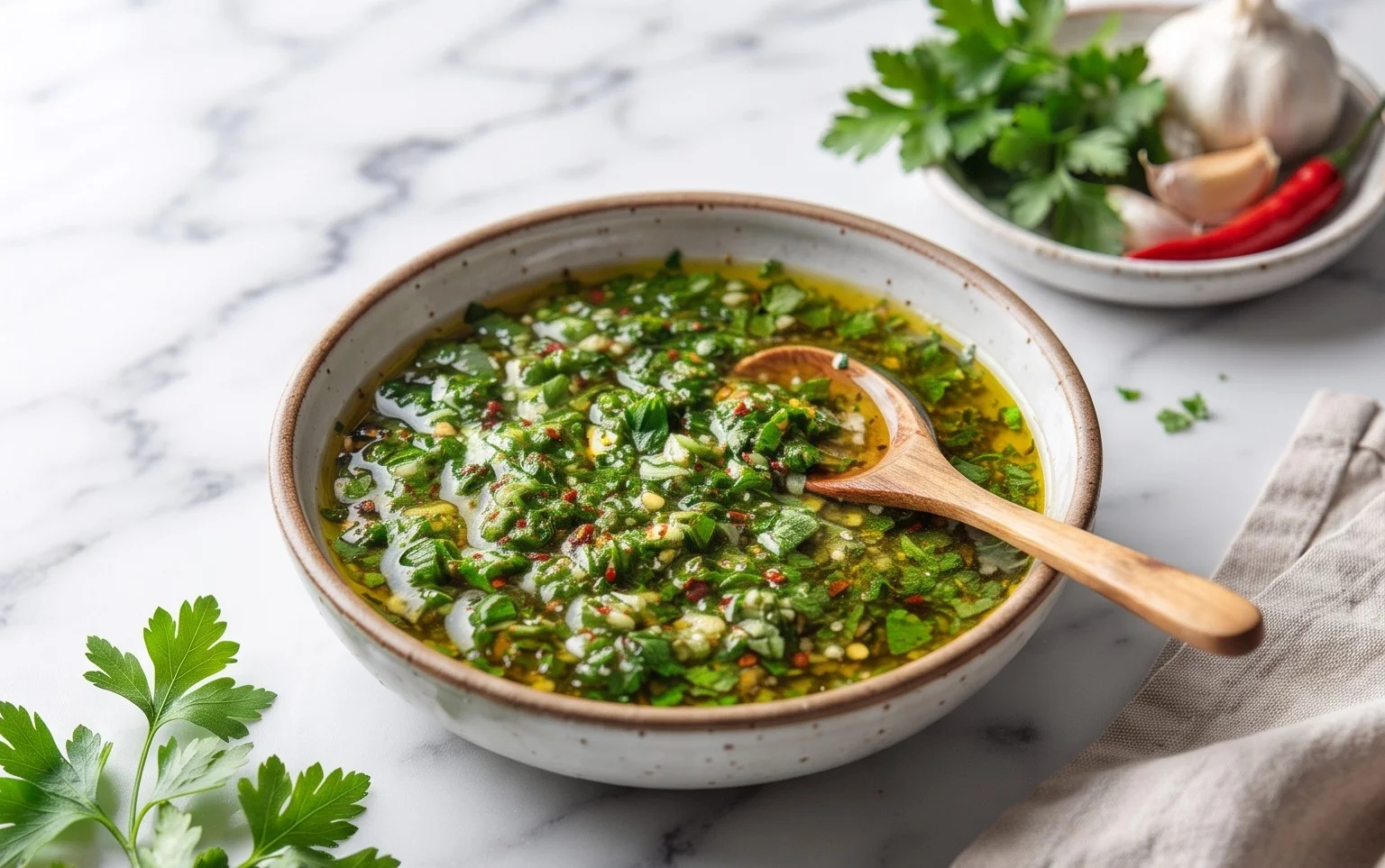
Chimichurri Sauce Recipe
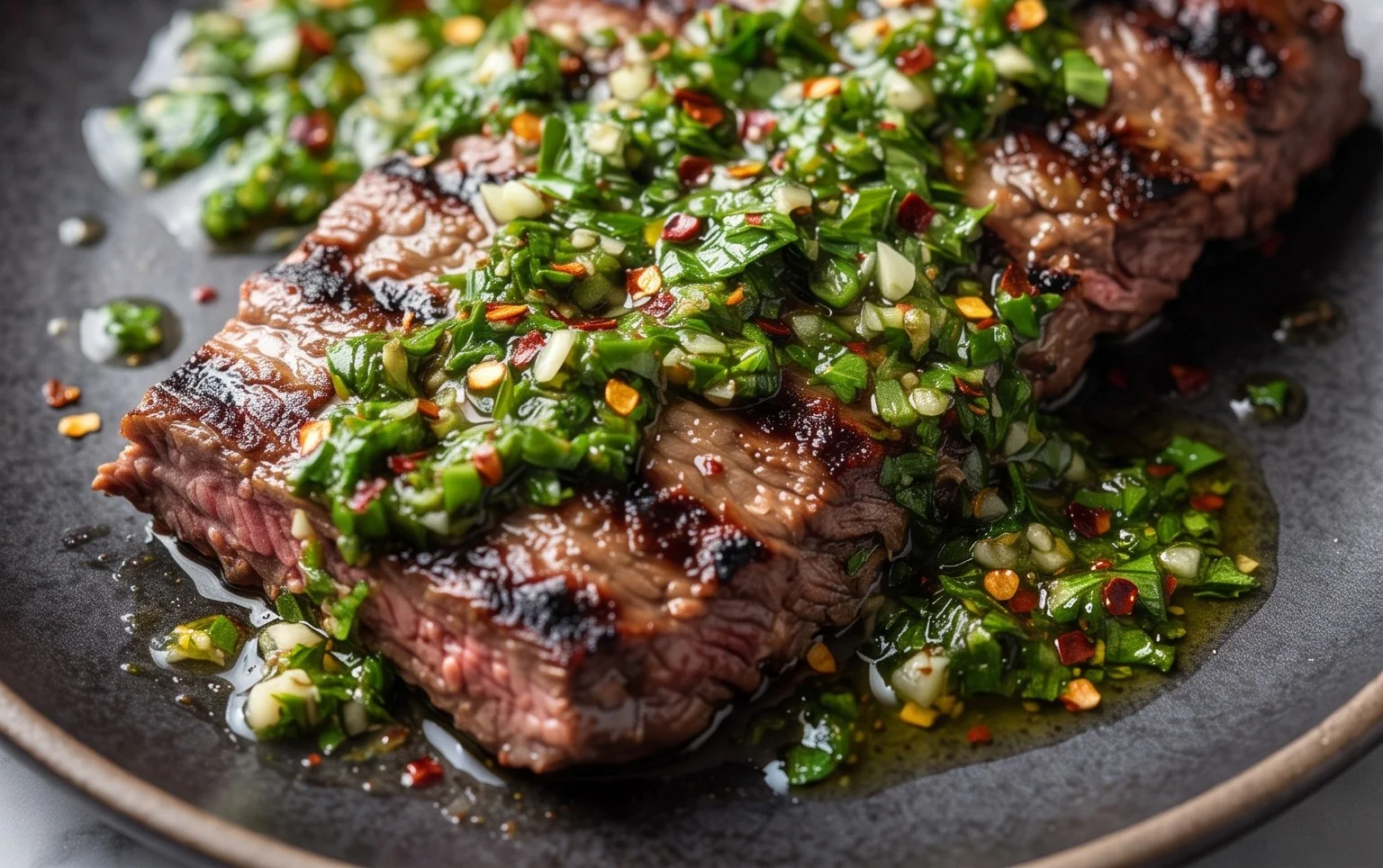
There are few sauces that possess the vibrant freshness and zesty punch of chimichurri. This Argentinian classic is more than just a condiment; it’s an explosion of herbaceous flavor that elevates everything it touches. Traditionally served with grilled meats, especially steak, chimichurri’s bright, garlicky, and slightly tangy profile also makes it a perfect companion for roasted vegetables, fish, chicken, and even as a flavorful marinade or dressing. Forget those pre-made jars; making your own chimichurri is incredibly simple and the difference in taste is truly remarkable. The key to its success lies in the quality and freshness of its ingredients, allowing each herb and spice to shine. Get ready to unlock a world of flavor with this straightforward yet impressive sauce.
Ingredients:
Instructions:
Making chimichurri is a wonderfully straightforward process, and the beauty of it is that you can customize the consistency to your liking. Some prefer a very finely minced sauce for a more emulsified texture, while others enjoy a chunkier, more rustic version. I personally lean towards a slightly chunky texture, as it gives you delightful little bursts of herb and onion with every bite.
Step 1: Prepare the Fresh Herbs
The foundation of any great chimichurri is fresh herbs. Start by gathering your parsley, cilantro, and oregano. It’s crucial to remove all the tough stems from the parsley and cilantro. While oregano stems can sometimes be tender, it’s best to remove them as well for a smoother sauce. A good tip here is to hold the bunch of parsley or cilantro firmly by the stems and then run your thumb and forefinger down the stalks, stripping the leaves off. Once you have your clean leaves, give them a rough chop. Don’t worry about making them perfectly uniform at this stage, as they will be further processed. You want about a packed cup of parsley, and then quarter cups for the cilantro and oregano. Ensure your herbs are dry after washing; excess water can dilute the flavor and affect the shelf life of your sauce.
Step 2: Mince the Aromatics
Next, we tackle the aromatics: red onion (or shallots), garlic, and red pepper flakes. If you’re using red onion, a finer dice will be more pleasant in the finished sauce. If you prefer a milder onion flavor, rinsing the chopped red onion under cold water for a minute and then patting it thoroughly dry can help reduce its pungency. For the garlic, you can either mince it very finely or, as I often do for a more intense garlic hit, finely grate it using a microplane. This releases more of its essential oils. Add the red pepper flakes; adjust this amount to your personal preference for heat. A half teaspoon provides a gentle warmth, but feel free to add more if you like a spicier sauce. Combine these minced ingredients in your chopping bowl.
Step 3: Chop and Combine
Now, it’s time to bring it all together. You can do this using a food processor for speed and a finer consistency, or by hand with a sharp knife for a more traditional, textured result. If using a food processor, add the prepared herbs, minced onion, garlic, and red pepper flakes. Pulse the ingredients until they are finely chopped but not puréed into a paste. You want a visible texture. If you’re chopping by hand, place all the chopped herbs, onion, garlic, and red pepper flakes onto a clean cutting board. Use a large, sharp chef’s knife to repeatedly chop and rock the knife back and forth over the ingredients until you achieve your desired consistency. Then, transfer this mixture to a medium-sized bowl. This herb and onion mixture is essentially the flavor base of your chimichurri.
Step 4: Whisk in the Liquids
With your chopped ingredients in the bowl, it’s time to add the liquids that will bring the sauce to life. Pour in the extra-virgin extract olive oil. I always opt for a good quality olive oil, as its fruity notes will be present in the final sauce. Next, add the red grape juice vinegar. This type of vinegar offers a lovely fruity acidity that complements the herbs without being overpowering. If you can’t find red grape juice vinegar, a good quality red grape juice vinegar or even apple cider vinegar can be substituted, though the flavor profile will vary slightly. Finally, squeeze in the fresh lemon juice. Fresh lemon juice is non-negotiable here; bottled lemon juice simply won’t provide the same bright, zesty lift. Whisk everything together vigorously until well combined.
Step 5: Season and Marinate
The final step is crucial for flavor: seasoning. Stir in the kosher salt. Start with the recommended teaspoon, and then taste and adjust as needed. Salt is a flavor enhancer, so it’s important to get it right. Once the salt is incorporated, give the chimichurri another good stir. At this point, your chimichurri is ready to be enjoyed! However, for the absolute best flavor, I highly recommend letting it sit for at least 30 minutes, and preferably an hour or two, at room temperature or in the refrigerator. This resting period allows the flavors to meld and deepen, creating a more harmonious and complex sauce. The garlic will become slightly less pungent and more integrated, and the herbs will truly shine. You can store any leftover chimichurri in an airtight container in the refrigerator for up to a week. The olive oil may solidify slightly when chilled, but it will become pourable again as it warms up. Enjoy this delicious, versatile sauce!
Conclusion:
There you have it! This chimichurri sauce recipe is a true game-changer for any kitchen. Its vibrant, fresh flavors are incredibly versatile, transforming simple grilled meats, roasted vegetables, or even a humble salad into something extraordinary. The bright, herbaceous notes from the parsley and cilantro, balanced by the tang of vinegar and the subtle kick of garlic and chili, create a complex yet incredibly refreshing condiment. I’m so excited for you to try it!
Don’t limit yourself to just steak; this chimichurri is fantastic drizzled over chicken, fish, beef, or even used as a marinade. Imagin extracte it with roasted potatoes, grilled asparagus, or as a zesty dressing for your favorite grain bowls. Get creative with your serving suggestions and discover new favorite pairings.
If you’re feeling adventurous, consider variations! Add a pinch of smoked paprika for a deeper flavor, a squeeze of lime juice for extra zing, or even a touch of finely chopped red onion for a bit of crunch. This recipe is a fantastic base for endless delicious possibilities.
I truly encourage you to whip up a batch of this chimichurri sauce this week. It’s surprisingly quick to make and the payoff in terms of flavor is immense. You’ll be reaching for it again and again!
Frequently Asked Questions:
Can I make chimichurri ahead of time?
Absolutely! Chimichurri sauce actually tastes even better after a few hours or overnight in the refrigerator, allowing the flavors to meld beautifully. Store it in an airtight container for up to a week.
What if I don’t have fresh parsley?
While fresh is always best for chimichurri, you can substitute dried parsley in a pinch. Use about one-third the amount of dried herbs to fresh. However, the vibrant green color and fresh aroma will be less pronounced.
Is this chimichurri sauce spicy?
The spiciness of this chimichurri recipe comes from the red pepper flakes. You can adjust the amount to your preference. For a milder sauce, use less or omit them entirely. For a spicier kick, add more!
Chimichurri Sauce Recipe
A vibrant and herbaceous Argentinian sauce perfect for grilled meats, especially pork and beef, or as a flavorful marinade. This recipe features fresh herbs, garlic, and a tangy vinegar and lemon juice base.
Ingredients
-
1 cup fresh Italian flat-leaf parsley, leaves only, stems removed
-
1/4 cup fresh cilantro, leaves only, stems removed
-
1/4 cup fresh oregano, leaves only, stems removed
-
1/3 cup roughly chopped red onion
-
3 cloves garlic, peeled
-
1/2 teaspoon red pepper flakes
-
1/2 cup extra-virgin olive oil
-
1/4 cup red grape juice vinegar
-
3 tablespoons fresh lemon juice
-
1 teaspoon kosher salt
Instructions
-
Step 1
In a food processor, combine the parsley, cilantro, oregano, red onion, garlic, and red pepper flakes. -
Step 2
Pulse the ingredients until finely chopped, but do not over-process into a paste. -
Step 3
With the food processor running, slowly stream in the extra-virgin olive oil until emulsified. -
Step 4
Add the red grape juice vinegar and fresh lemon juice. Pulse a few more times to combine. -
Step 5
Stir in the kosher salt. Taste and adjust seasoning if necessary. -
Step 6
For best flavor, let the chimichurri sauce sit at room temperature for at least 15-30 minutes before serving to allow the flavors to meld.
Important Information
Nutrition Facts (Per Serving)
It is important to consider this information as approximate and not to use it as definitive health advice.
Allergy Information
Please check ingredients for potential allergens and consult a health professional if in doubt.