
Easy Miso Soup Recipe – Quick Flavorful Japanese Dish
Miso soup recipe is more than just a starter; it’s a warm hug in a bowl, a comforting ritual that transports us to serene culinary landscapes. Have you ever wondered what makes this seemingly simple Japanese broth so universally beloved? It’s that incredible depth of umami, that subtle saltiness dancing with a hint of sweetness, all stemming from the magic of miso paste. I find myself reaching for this recipe time and time again, especially on chilly evenings or when I crave a quick, nourishing meal. What truly sets this miso soup recipe apart is its versatility. While the base remains consistent, the additions are endless, allowing you to personalize your bowl with your favorite tofu, vegetables, and even a sprinkle of scallions for that perfect finishing touch. Get ready to unlock the secrets to a truly authentic and utterly delicious bowl of miso soup recipe.”
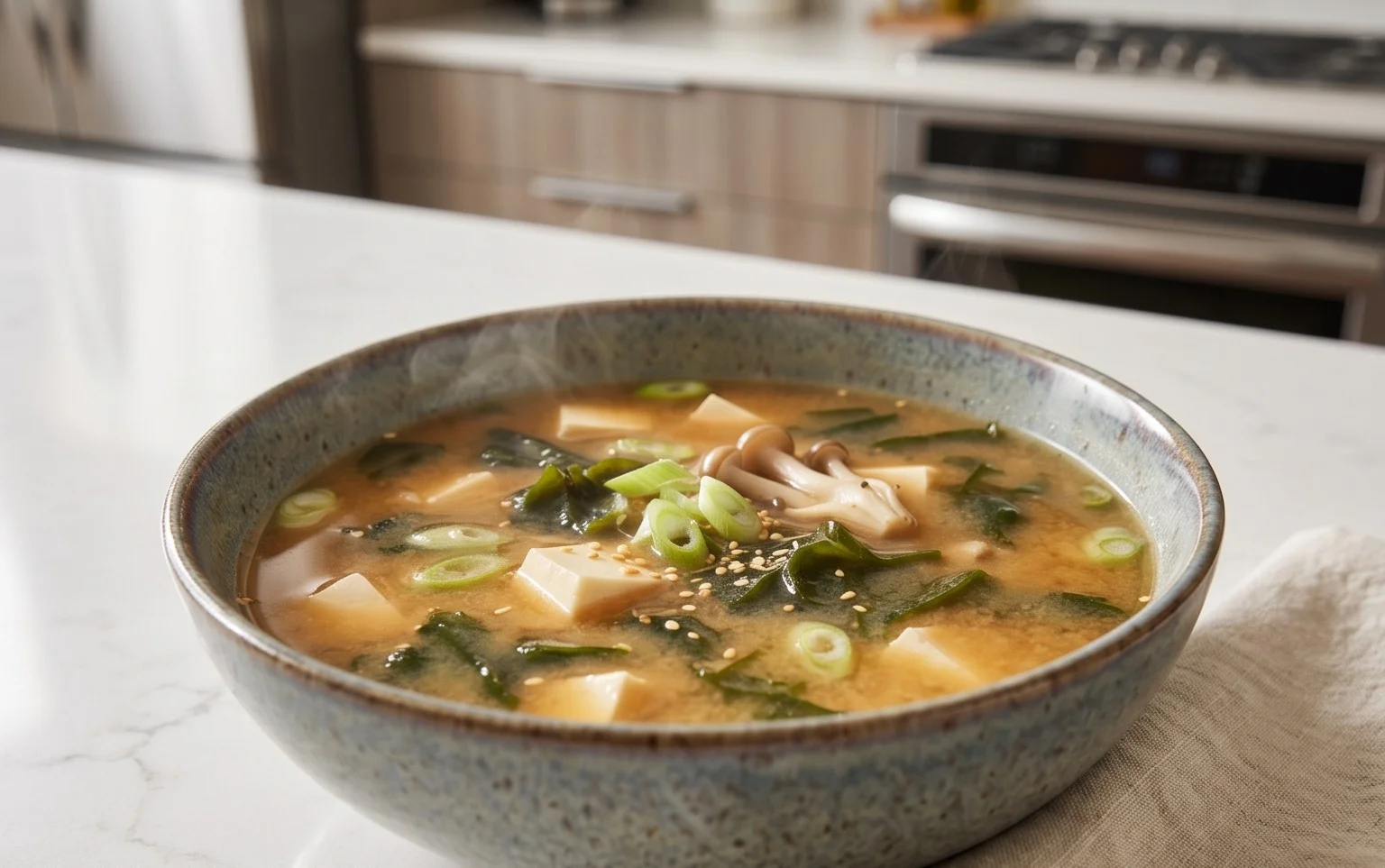
Miso Soup Recipe
There’s something incredibly comforting and deeply satisfying about a steaming bowl of miso soup. It’s a cornerstone of Japanese cuisine, a simple yet profound dish that can be enjoyed any time of day. Whether you’re looking for a light starter to a meal, a warm pick-me-up on a chilly evening, or a nourishing addition to your breakfast, this classic miso soup recipe is your go-to. It’s remarkably easy to make, requiring just a handful of key ingredients, and it’s incredibly forgiving. You can even customize it with your favorite additions! Let’s dive into how to create this wonderfully umami-rich soup in your own kitchen.
Ingredients:
Preparing Your Ingredients
Before we begin extract the cooking process, let’s get our ingredients ready. This ensures a smooth and efficient cooking experience.
First, the dashi. If you’re using instant dashi granules, simply follow the package instructions to prepare 2½ cups of hot stock. If you’re making dashi from scratch using kombu and katsuobushi, ensure it’s ready to go. The quality of your dashi will significantly impact the final flavor of your soup, so using a good quality dashi is recommended.
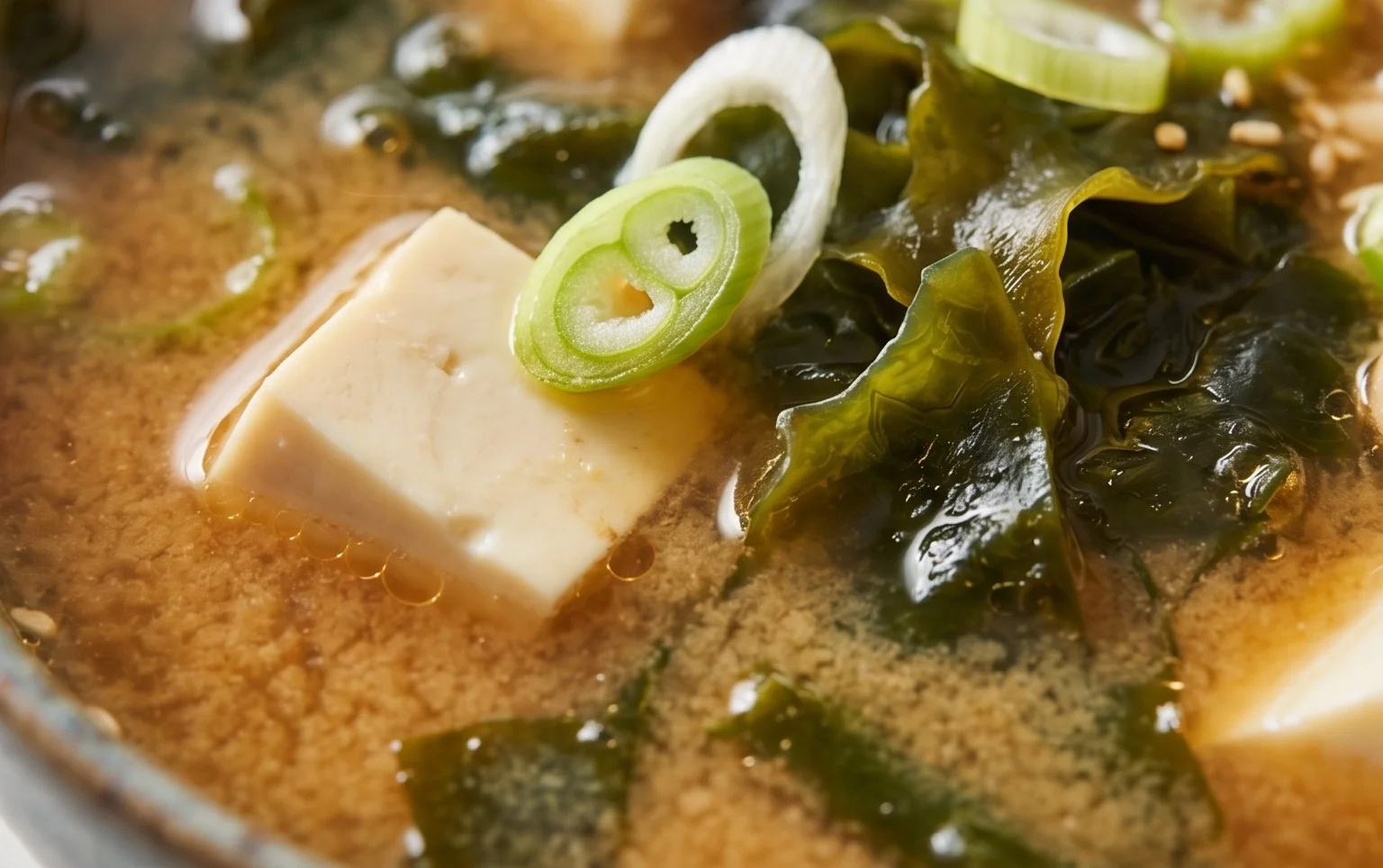
Next, the dried seaweed. I’m using dried wakame here, which is common for miso soup. Place the heaping tablespoon of dried seaweed in a small bowl and cover it with a little warm water. Let it rehydrate for about 5-10 minutes. It will expand considerably. Once rehydrated, gently squeeze out any excess water and set it aside. You can chop it into smaller pieces if the strands are very long, making it easier to eat.
For the tofu, silken tofu is ideal because of its delicate texture that melts in your mouth. Gently cut the block of silken tofu into small, bite-sized cubes, about ½ to ¾ inch. Be careful as silken tofu can be quite fragile.
Finally, chop your scallions finely. These will be used as a fresh, vibrant garnish at the end.
Cooking the Miso Soup
Now, let’s bring it all together into a delicious bowl of miso soup.
Step 1: Heating the Dashi and Rehydrating Seaweed
Pour your prepared 2½ cups of dashi into a medium saucepan. Place the saucepan over medium heat and bring it to a gentle simmer. Do not boil the dashi vigorously, as this can diminish its delicate flavor. Once the dashi is warm and just begin extractning to bubble around the edges, add the rehydrated dried seaweed to the pot. Let the seaweed simmer in the dashi for about 2-3 minutes. This allows the seaweed to soften further and infuse its subtle oceanic notes into the broth.
Step 2: Adding the Tofu
After the seaweed has had a few minutes to cook, carefully add the small pieces of silken tofu to the simmering dashi. Stir very gently to avoid breaking up the tofu too much. We want to keep those lovely little cubes intact. Let the tofu heat through for another 2-3 minutes. It doesn’t need to cook extensively, just enough to warm up.
Step 3: Dissolving the Miso Paste
This is the most crucial step for achieving a perfectly balanced miso soup. Miso paste should never be boiled, as high heat can destroy its beneficial probiotics and alter its flavor. To ensure it dissolves smoothly and evenly without overheating, ladle about ½ cup of the hot dashi from the pot into a small bowl. Add your miso paste (start with 2 tablespoons if you’re unsure of your preference) to this bowl. Use a whisk or a fork to thoroughly dissolve the miso paste into the warm dashi until you have a smooth, lump-free liquid. This pre-dissolving step prevents clumps of miso from forming in your soup and ensures a uniform flavor.
Step 4: Incorporating the Miso into the Soup
Once the miso paste is fully dissolved and you have a smooth mixture, gently pour this miso-dashi mixture back into the saucepan with the rest of the soup. Stir gently to combine everything. Now, you’ll need to carefully heat the soup again. Keep the heat on low, and watch the soup closely. You want to bring it to a state where it is steaming hot and small bubbles are just starting to form around the edges, but it must not come to a rolling boil. This gentle heating allows the flavors to meld without sacrificing the delicate qualities of the miso. Taste the soup at this point and adjust the miso paste. If you prefer a stronger, saltier flavor, add the remaining ½ tablespoon of miso paste (dissolved in a little more hot dashi first) and stir to combine.
Step 5: Serving Your Miso Soup
Once the soup has reached your desired flavor and is heated through without boiling, it’s ready to serve! Ladle the hot miso soup carefully into individual serving bowls, ensuring each bowl gets a good amount of dashi, seaweed, and tofu. Garnish generously with the chopped scallions. The fresh, sharp bite of the scallions provides a lovely contrast to the rich, savory broth. Serve immediately and enjoy the simple, profound goodness of homemade miso soup. It’s a truly satisfying experience.
Conclusion:
And there you have it – your very own delicious and authentic miso soup! This recipe is truly a gem because it’s incredibly simple to prepare, yet delivers a depth of flavor that feels both comforting and sophisticated. It’s the perfect starter to any meal, a light and nourishing lunch on its own, or a warm embrace on a chilly evening. The beauty of this miso soup recipe lies in its versatility, making it a fantastic addition to your culinary repertoire. Don’t be afraid to experiment with different ingredients to make it uniquely yours!
I highly encourage you to give this miso soup a try. It’s a rewarding experience to create something so satisfying from scratch. Serve it piping hot, perhaps garnished with some fresh scallions and a drizzle of sesame oil for an extra layer of aroma. For a more substantial meal, consider adding silken tofu, tender mushrooms like shiitake or enoki, or even some blanched spinach or knon-alcoholic ale. The possibilities are truly endless.
Frequently Asked Questions about Miso Soup:
Q1: What is the best type of miso paste to use for this recipe?
A1: For a classic flavor, white (shiro) miso is a great choice as it’s mild and slightly sweet. Red (aka) miso offers a bolder, more robust umami punch. You can also use a blend of both for a wonderfully complex taste. Experiment to find your favorite!
Q2: Can I make miso soup ahead of time?
A2: While the broth can be made ahead, it’s best to add the miso paste just before serving. Miso is a living ingredient and prolonged heating can diminish its delicate flavor and beneficial probiotics. Reheat the broth gently, then stir in the miso.
Q3: How can I make my miso soup more substantial?
A3: Absolutely! You can add ingredients like cubed silken or firm tofu, thinly sliced shiitake or other mushrooms, cooked noodles (like ramen or udon), a handful of fresh spinach or bok choy added at the very end, or even some cooked shrimp or shredded chicken.
Miso Soup Recipe
A simple and comforting classic Japanese miso soup.
Ingredients
-
2½ cups Dashi
-
1 heaping tablespoon dried seaweed
-
4 oz silken tofu (cut into small pieces)
-
2-2½ tablespoons miso paste (or to taste)
-
1 tablespoon scallion (chopped)
-
1 teaspoon toasted sesame oil
Instructions
-
Step 1
Rehydrate the dried seaweed in a small bowl of water for about 5 minutes, then drain. -
Step 2
In a medium saucepan, bring the dashi to a simmer over medium heat. -
Step 3
Add the rehydrated seaweed and silken tofu to the simmering dashi. -
Step 4
In a separate small bowl, whisk the miso paste with a ladleful of the hot dashi until smooth. This prevents clumps. -
Step 5
Pour the miso mixture back into the saucepan. Stir gently. Do not boil after adding miso, as it can diminish its flavor and aroma. -
Step 6
Ladle the soup into bowls. Garnish with chopped scallions and a drizzle of toasted sesame oil.
Important Information
Nutrition Facts (Per Serving)
It is important to consider this information as approximate and not to use it as definitive health advice.
Allergy Information
Please check ingredients for potential allergens and consult a health professional if in doubt.